Why Is Seasonal HVAC Maintenance Important for Your Home?
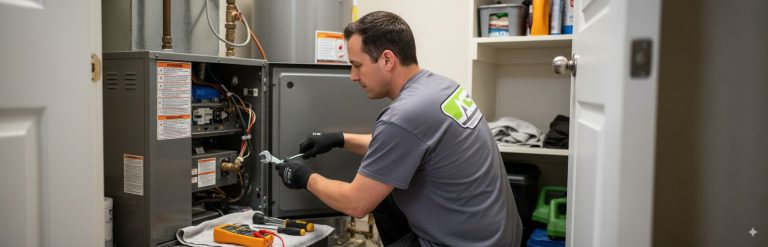
Seasonal HVAC maintenance is a preventive service that inspects, cleans, and calibrates heating and cooling equipment to ensure reliable operation. By proactively tuning up your furnace, air conditioner, or heat pump, you minimize energy waste, reduce safety hazards, and support longevity.
For example, cleaning coils before summer prevents compressor strain and breakdowns during peak cooling demand, laying the groundwork for sustained comfort and cost savings.
What Are the Key Benefits of Regular HVAC Tune Ups?
Regular HVAC tune ups deliver energy savings, prolong system lifespan, and support healthier indoor air quality:
Energy Savings through Efficiency
Professional calibration and component cleaning improve heat transfer and airflow, reducing monthly utility charges.
Extended Equipment Lifespan
Detecting wear and lubricating moving parts prevents premature motor and compressor failures.
Improved Indoor Air Quality
Replacing filters and clearing ductwork remove dust, allergens, and pollutants that compromise respiratory health.
Consistent Comfort
Thermostat optimization and airflow balancing ensure even temperatures throughout living spaces.
How Does Seasonal Maintenance Improve HVAC Safety?
Seasonal tune ups enhance safety by identifying gas leaks, verifying electrical integrity, and preventing carbon monoxide hazards:
Gas Line Inspection
Technicians check piping and fittings for corrosion or leaks that pose fire and health risks.
Electrical Connection Verification
Tightening terminals and testing capacitors prevents shorts, sparks, and potential fire sources.
Carbon Monoxide Detector Testing
Ensuring proper exhaust venting and detector function safeguards occupants from invisible dangers.
What Is Included in a Professional Seasonal HVAC Tune Up?
A professional seasonal tune up is a comprehensive checklist of inspections, cleanings, and adjustments tailored to each system type. Technicians follow industry best practices to optimize performance and safety.
Spring AC Tune Up Tasks
Spring AC tune ups prepare your cooling system for warmer months by cleaning, calibrating, and testing key components:
- Coil Cleaning and Fin Straightening
- Refrigerant Level Check and Leak Detection
- Thermostat Calibration for Cooling Setpoints
- Outdoor Unit Debris Removal and Drain Line Clearing
Fall Furnace Tune Up Tasks
A fall furnace tune up focuses on heating-season readiness through safety checks and combustion analysis:
- Burner Inspection and Cleaning
- Heat Exchanger Crack Test and Carbon Monoxide Assessment
- Pilot Light or Ignition System Verification
- Blower Motor Lubrication and Filter Replacement
Heat Pump Seasonal Maintenance
Heat pump tune ups address both heating and cooling modes by inspecting dual-function components:
- Defrost Cycle Operation Check
- Reversing Valve Function Test
- Refrigerant Charge and Pressure Evaluation
- Dual-Mode Thermostat Programming
When Should You Schedule Your Seasonal HVAC Tune Up?
Service timing aligns with peak system demands and warranty requirements to maximize benefits and prevent mid-season failures.
Recommended Service Schedule
- Air Conditioners:Once every spring before heavy cooling demand
- Furnaces:Once every fall to prepare for heating season
- Heat Pumps:Bi-annual checks—spring and fall—to cover dual-mode operation
Signs Your HVAC Needs a Tune Up
- Strange Hissing or Banging Sounds
- Inconsistent Room Temperatures and Hot or Cold Spots
- Sharp Increase in Monthly Utility Costs
- Frequent Cycling On and Off
How Much Does a Seasonal HVAC Tune Up Cost?
Costs vary by region, system type, and service scope, but understanding average ranges and plan benefits guides budgeting decisions.
Furnace Tune Up Costs
$80 – $150
- • Burner cleaning and combustion efficiency
- • Heat exchanger inspection for safety
- • Motor lubrication and reduced friction
- • Filter replacement and airflow maintenance
AC Tune Up Costs
$100 – $200
- • Coil cleaning and heat transfer optimization
- • Refrigerant inspection and leak prevention
- • Drain line clearing and moisture control
- • Thermostat calibration for comfort accuracy
Benefits of HVAC Maintenance Plans
- Reduced Service Fees and Repair Discounts
- Guaranteed Response Time During Peak Seasons
- Annual or Bi-Monthly Inspections Included
- Documentation for Warranty Compliance
How to Choose the Right HVAC Technician
Selecting a qualified technician ensures thorough service and reliable results.
Required Qualifications and Certifications
- NATE Certification for Industry-Standard Proficiency
- EPA Section 608 Certification for Refrigerant Handling
- Manufacturer-Specific Training for Equipment Models
- Liability Insurance and Bonding
Why Local Service Matters
- Faster Response Times for Emergency Repairs
- Familiarity with Local Climate Challenges
- Compliance with Regional Safety Regulations
Common Seasonal HVAC Problems Prevented by Tune Ups
Proactive seasonal care addresses frequent failure points before they escalate into emergency repairs.
Furnace Issues in Fall and Winter
Unusual banging, rattling, or squealing often indicates:
- Loose Blower Belts
- Imbalanced Blower Wheels
- Worn Bearings in Motor Assemblies
Tuning belts, balancing components, and lubricating bearings during a fall tune up prevents these disruptive and costly breakdowns.
Heat Pump Failures
Heat pumps rely on accurate defrost cycles and valve operations:
- Verifying Defrost Control Settings
- Testing Reversing Valve Shifting
- Checking Pressure and Superheat Values
Routine inspections ensure dual-mode reliability and avoid loss of heating or cooling when demand is highest.
What Are the Risks of Neglecting Seasonal HVAC Maintenance?
Skipping tune ups leads to system breakdowns, safety hazards, and higher costs:
- Complete Component Failures and Emergency Repairs
- Reduced Energy Efficiency and Rising Utility Bills
- Voided Warranties and Uncovered Repair Expenses
- Indoor Air Quality Decline and Health Impacts
Consistent maintenance safeguards equipment integrity and household well-being.